Hunza Valley Travel Guide: Best Places, Season and Travel Tips
Explore Hunza Valley with this complete guide to Karimabad, historic forts, Attabad Lake, Passu, the best season, routes, accommodation and travel tips.
Hunza Valley is one of Pakistan’s most celebrated mountain destinations, known for its snow-covered peaks, historic forts, turquoise lakes, traditional settlements and welcoming communities. Located in Gilgit-Baltistan along the Karakoram Highway, Hunza offers a remarkable combination of natural beauty, cultural heritage and outdoor adventure.
From the historic streets of Karimabad to the blue waters of Attabad Lake and the dramatic Passu Cones, every part of Hunza offers a different travel experience. This complete guide covers the best places to visit, the ideal season, accommodation options, routes and practical tips for planning your journey.
Where Is Hunza Valley?
Hunza Valley is located in Hunza District in northern Gilgit-Baltistan, Pakistan. It lies along the Karakoram Highway and is surrounded by some of the most dramatic mountain landscapes in the region.
The wider Hunza area includes Central Hunza, with destinations such as Karimabad, Altit and Ganish, and Upper Hunza, also known as Gojal, which includes Gulmit, Passu, Hussaini and Sost.
Karimabad is one of the main tourism centres and provides convenient access to hotels, restaurants, local markets, historic forts and several viewpoints.
Why Visit Hunza Valley?
Hunza is suitable for families, couples, solo travellers, photographers, cultural explorers and adventure enthusiasts. Visitors can experience historic architecture, local food, mountain viewpoints, lakes, villages and scenic drives within a single journey.
Some of the main reasons to visit Hunza include:
Spectacular Karakoram mountain scenery Historic Altit and Baltit forts The turquoise waters of Attabad Lake Traditional villages and local culture Passu Cones and Upper Hunza landscapes Blossom and autumn seasons Hiking and photography opportunities Local food, handicrafts and hospitality Scenic travel along the Karakoram Highway Best Places to Visit in Hunza Valley
- Karimabad
Karimabad is the cultural and tourism centre of Hunza. Its streets contain hotels, cafés, restaurants, handicraft shops and viewpoints overlooking the valley.
The town is an excellent base for exploring Baltit Fort, Altit Fort, local markets and nearby villages. Walking through Karimabad also provides views of the surrounding mountains and cultivated terraces.
- Baltit Fort
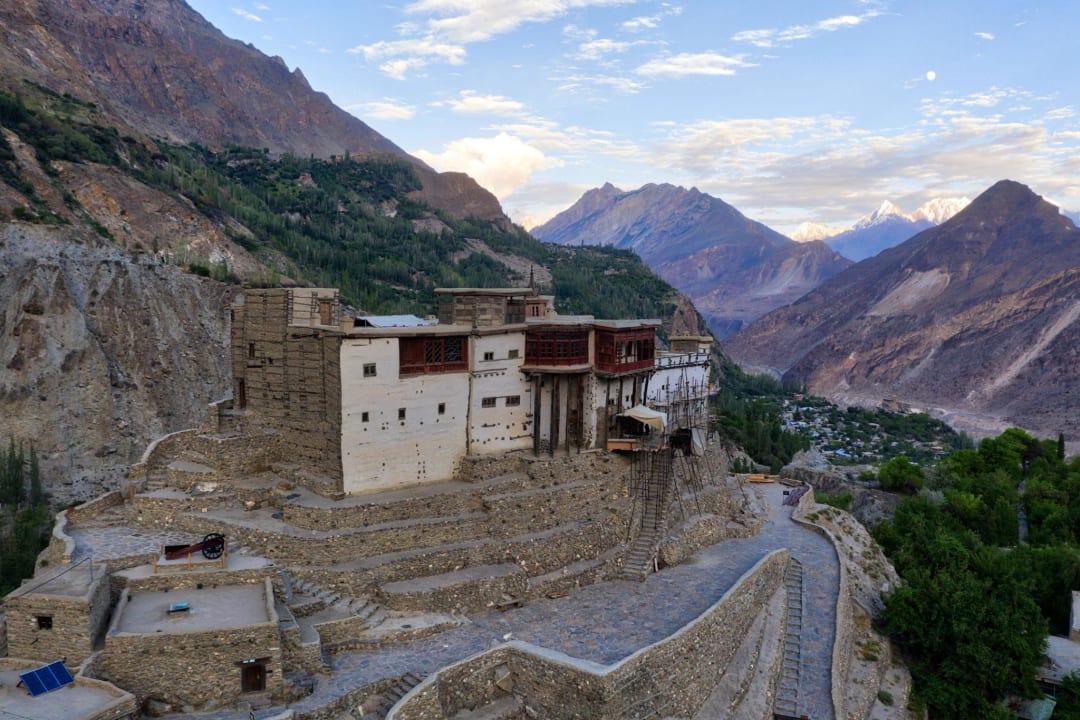
Baltit Fort stands above Karimabad and is one of Hunza’s most important historic landmarks. Its elevated position provides wide views across the valley.
The fort’s architecture reflects Hunza’s historic connections with surrounding mountain regions and old trade routes. Visitors can explore its rooms, wooden structures and museum displays while learning about the former rulers of Hunza.
Baltit Fort has been included on Pakistan’s UNESCO World Heritage Tentative List since 2004.
- Altit Fort
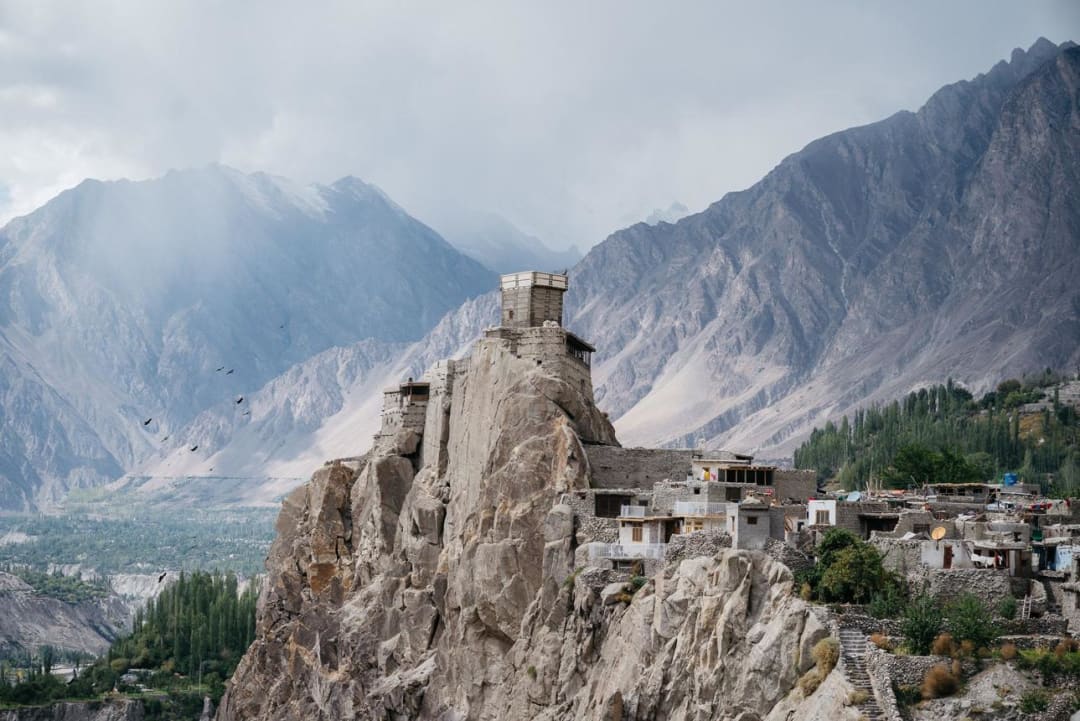
Altit Fort is another major heritage attraction in Hunza and is considered one of the oldest surviving forts in the region. It overlooks the Hunza River from a rocky position in Altit village.
The restored fort, nearby historic settlement and surrounding garden make Altit an excellent destination for travellers interested in architecture, history and local culture.
- Duikar and Eagle’s Nest
Duikar is a well-known viewpoint located above Central Hunza. It is particularly popular for sunrise, sunset and panoramic photography.
From the viewpoint, visitors can observe the valley, nearby villages and surrounding mountain peaks. Weather conditions can affect visibility, so checking the forecast before travelling is recommended.
- Attabad Lake
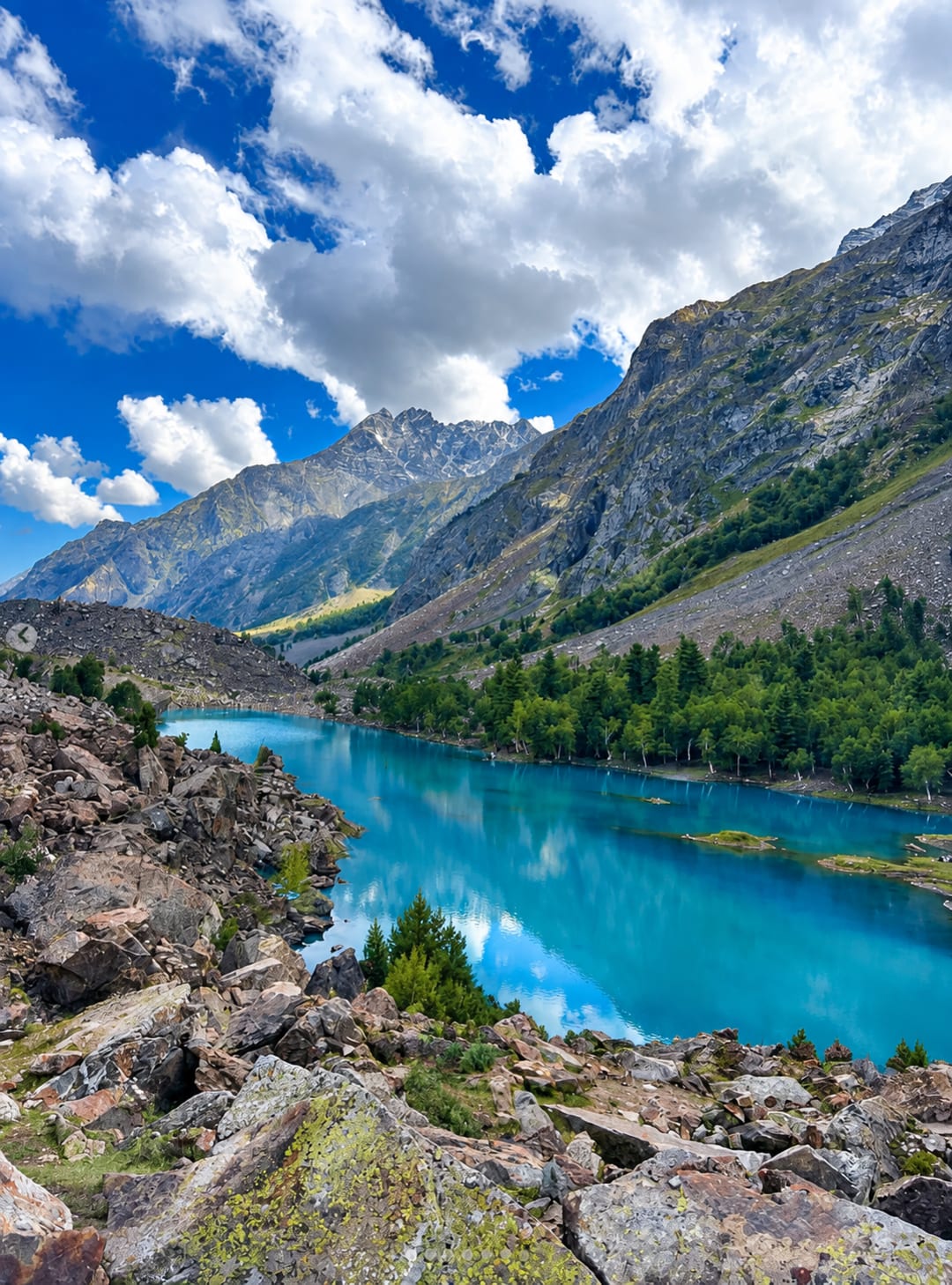
Attabad Lake is one of Hunza’s most recognizable attractions. The lake was formed after a major landslide blocked the Hunza River in 2010.
Its striking blue water and surrounding mountains attract visitors for sightseeing, photography and seasonal water activities. Availability and safety of boating or other activities should be confirmed with authorized local operators.
- Gulmit
Gulmit is a historic settlement in Upper Hunza and provides a peaceful base for exploring Gojal. Visitors can experience traditional architecture, local culture, mountain views and community-based tourism.
The village is also conveniently located for journeys towards Passu, Hussaini and Sost.
- Hussaini Suspension Bridge
The Hussaini Suspension Bridge is one of Upper Hunza’s well-known adventure attractions. It crosses above the Hunza River in a dramatic mountain setting.
Visitors should cross carefully, follow local safety instructions and avoid the bridge during strong winds or unsafe weather conditions. Children should remain under close supervision.
- Passu Cones
The Passu Cones are among the most photographed mountain formations in Gilgit-Baltistan. Their sharp, distinctive peaks dominate the landscape around Passu village.
Several roadside viewpoints provide excellent photography opportunities. Visitors can also explore nearby villages and guided walking routes depending on weather and trail conditions.
- Borith Lake
Borith Lake is located near the settlements of Upper Hunza and offers a quiet environment away from busier tourism areas. It is suitable for peaceful sightseeing, photography and short nature walks.
Road and weather conditions should be checked before travelling, particularly outside the main summer season.
- Khunjerab National Park and Pass
Khunjerab lies further north towards the Pakistan–China border and is one of the highest areas accessible from Hunza by road when conditions permit.
Access depends on weather, road status, official regulations and seasonal restrictions. Travellers should confirm the latest information with local authorities or registered tour operators before departure.
Best Time to Visit Hunza
Hunza offers a different experience in every season.
Spring: March to April
Spring is famous for fruit blossoms, fresh colours and pleasant daytime weather. Blossom timing varies each year according to temperature and elevation.
Summer: May to August
Summer is the main tourism season. Most roads, hotels and attractions are more accessible, while the weather is suitable for sightseeing, hiking and travel towards Upper Hunza.
July and August can become busy, so accommodation and transport should be booked early.
Autumn: September to October
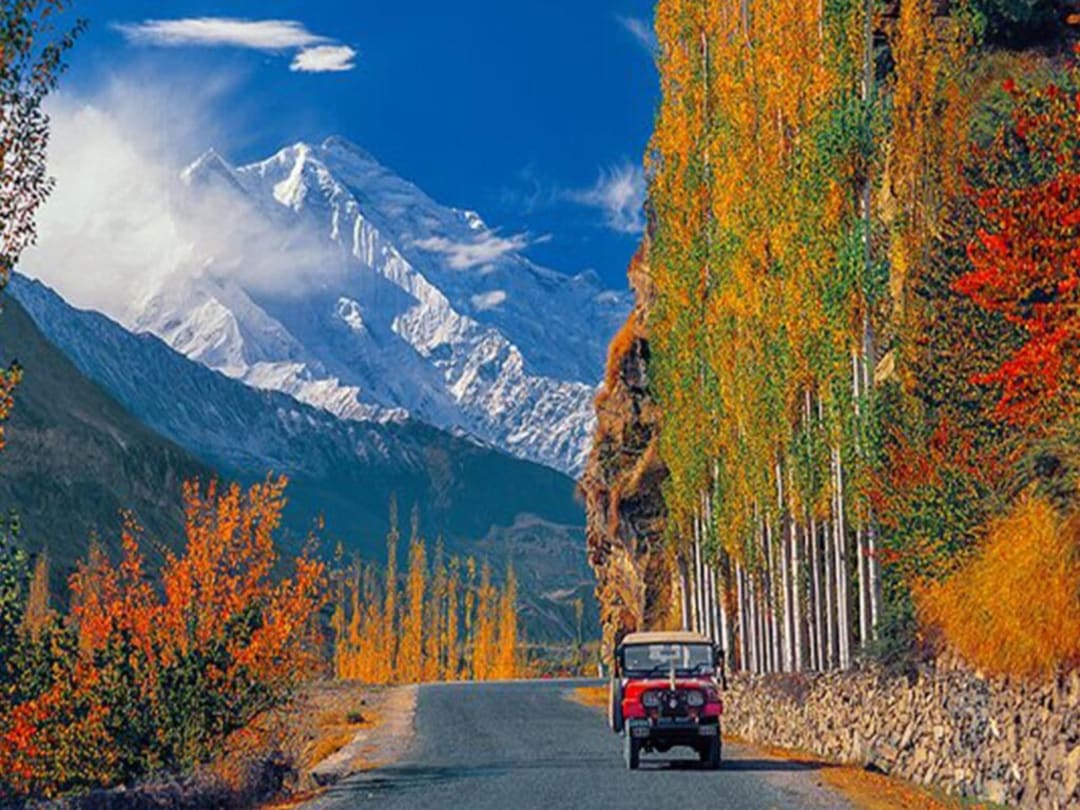
Autumn transforms the valley with shades of gold, orange and red. This period is especially attractive for photography and travellers seeking cooler weather.
Winter: November to February
Winter brings snow, colder temperatures and fewer visitors. Some hotels, roads and tourism services may have limited operations. Confirm heating, transport and attraction availability before planning a winter trip.
How to Reach Hunza Valley By Air
Travellers can fly from Islamabad to Gilgit and continue to Hunza by road. Flights are weather-dependent and may be delayed or cancelled, so keeping flexibility in the itinerary is important.
By Road
Hunza is connected through the Karakoram Highway. Travellers can reach it from Islamabad, Gilgit or other destinations in Gilgit-Baltistan.
Journey times vary because of traffic, weather, road construction and landslides. Always check the latest road status before departure and avoid unnecessary night travel on unfamiliar mountain roads.
Where to Stay in Hunza
Hunza provides accommodation for different budgets and travel styles, including:
Budget hotels Family guest houses Boutique properties Traditional homestays Mountain-view hotels Premium resorts Camping sites
Karimabad is suitable for convenient access to markets, restaurants and historic attractions. Altit provides a quieter cultural environment, while Gulmit and Passu are good options for exploring Upper Hunza.
Before booking, confirm room type, heating, hot water, Wi-Fi, electricity backup, parking, meals and cancellation conditions.
What to Eat in Hunza
Local food is an important part of the Hunza experience. Depending on availability, travellers may find traditional dishes such as Chapshuro, Dowdo, Diram Fitti and locally prepared bread, soups and apricot products.
Supporting local cafés, restaurants and family-run food businesses helps tourism revenue remain within the community.
Suggested Four-Day Hunza Itinerary Day One: Central Hunza Arrive in Karimabad Check in at your hotel Explore the local market Visit Baltit Fort Watch the sunset from a nearby viewpoint Day Two: Heritage and Culture Visit Altit Fort Explore Altit village Experience local food Travel to Duikar for panoramic views Day Three: Upper Hunza Visit Attabad Lake Explore Gulmit Stop at Hussaini Suspension Bridge Continue towards Passu Photograph the Passu Cones Day Four: Flexible Exploration
Choose between Borith Lake, nearby guided walks, local villages or a journey further north when road conditions and official access permit.
Essential Travel Tips Check the weather and road conditions before travelling Book hotels early during the main tourism season Carry cash because digital payments may not work everywhere Keep warm clothing even during summer Download offline maps Carry personal medicines and a first-aid kit Keep a power bank and charging cables Hire experienced local drivers and guides Avoid hiking alone on unfamiliar routes Confirm prices before using tourism services Respect community customs and private property Ask permission before photographing local people Responsible Tourism in Hunza
Hunza’s environment and cultural heritage require responsible behaviour from every visitor.
Travellers should:
Carry their waste back Avoid single-use plastic Keep lakes and streams clean Never damage historic buildings Stay on recognized walking routes Respect religious and cultural locations Avoid loud music near communities Obtain permission before flying a drone Support local guides, hotels and businesses Follow instructions from local authorities Never disturb wildlife Leave every destination clean Frequently Asked Questions How many days are enough for Hunza Valley?
Three to five days are suitable for exploring Karimabad, Altit, Baltit, Attabad Lake, Gulmit, Hussaini and Passu. Additional days allow for a more relaxed journey and guided activities.
Is Hunza Valley suitable for families?
Yes, many of Hunza’s main attractions are suitable for families. Parents should take additional care around lakes, suspension bridges, steep paths and mountain roads.
What is the best month to visit Hunza?
April is popular for blossom season, while May to August is suitable for general sightseeing. September and October are known for autumn colours. Exact seasonal conditions vary each year.
Is mobile internet available in Hunza?
Mobile and internet services are available in many populated areas, but speed and coverage can vary. Connectivity may be limited in remote parts of Upper Hunza.
Can I visit Hunza in winter?
Yes, but winter visitors should prepare for freezing temperatures, snow and limited services. Confirm hotel heating, road access and transport before travelling.
Do I need a local guide?
A guide may not be necessary for major roadside attractions, but one is strongly recommended for hiking, trekking, remote villages and unfamiliar mountain routes.
Plan Your Hunza Journey with REGO
Hunza Valley brings together natural beauty, living culture, historic architecture and unforgettable mountain landscapes. Whether you want a comfortable family holiday, a photography trip or an adventure through Upper Hunza, careful planning will make your journey safer and more enjoyable.
Use REGO to explore accommodation, tour operators, local guides, transport services, restaurants, activities and other tourism services for your Hunza Valley journey—all in one place.